10 Cheapest Cities to Live in Portugal (That Aren't Depressing)
Last updated: August 2026
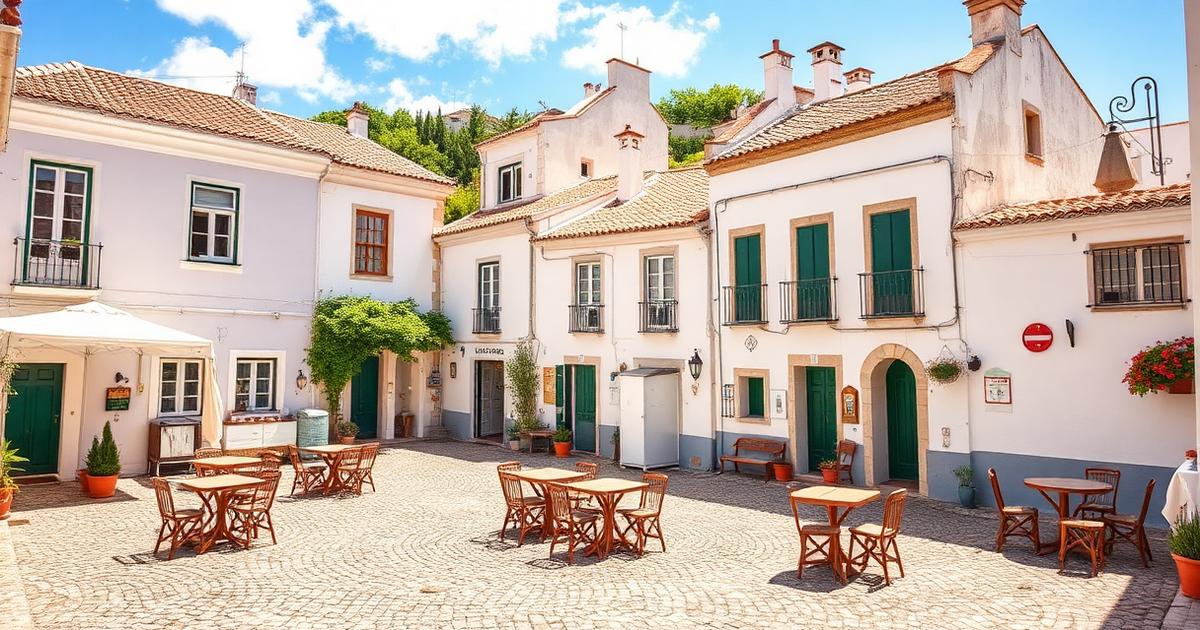
Plenty of "cheapest cities in Portugal" lists are really just "cheapest places to be bored." These ten aren't that — each has something that makes it worth choosing beyond the price tag: a university, a coastline, a historic center, or a genuine sense of community. Rent figures below are estimated ranges for a 1-bedroom apartment and vary by exact location and season.
The list
| City | Est. 1-bed rent | Why it's worth it beyond the price |
|---|---|---|
| Braga | €500–€750/month | Young, energetic university city with a fast-growing tech scene |
| Coimbra | €450–€700/month | Portugal's historic university town, dramatic hilltop old city |
| Aveiro | €550–€800/month | Canals, colorful moliceiro boats, genuinely called "Portugal's Venice" |
| Viseu | €400–€600/month | Consistently ranked among Portugal's best quality-of-life cities |
| Covilhã | €350–€550/month | Mountain town at the foot of Serra da Estrela, ski season nearby |
| Guarda | €350–€500/month | Portugal's highest city, dramatic granite architecture, cool summers |
| Viana do Castelo | €500–€750/month | Coastal, pretty, a real town with a beach not a tourist trap |
| Leiria | €450–€700/month | Central location, medieval castle, easy reach of both coast and Lisbon |
| Évora | €500–€750/month | UNESCO World Heritage old town, Alentejo wine country on your doorstep |
| Portalegre | €300–€500/month | Portugal's most overlooked district capital, near Serra de São Mamede nature park |
Braga
The unofficial capital of Portuguese youth culture — a huge student population from University of Minho keeps the city lively, and a growing cluster of tech companies (including Bosch's engineering hub) has brought real jobs. Nightlife, cafés, and a compact walkable center make it feel bigger than its size. Compare Braga, Coimbra, and Aveiro directly →
Coimbra
Home to one of Europe's oldest universities, Coimbra has a centuries-old academic identity — fado, robed students, a baroque library that regularly makes "world's most beautiful" lists. It's smaller and more traditional than Braga, with a slower, more scholarly rhythm.
Aveiro
Genuinely nicknamed the "Venice of Portugal" for its canal system and colorful gondola-style moliceiro boats. It's also a university town (University of Aveiro), giving it youthful energy alongside its postcard looks, plus easy access to nearby beaches like Costa Nova with its striped houses.
Viseu
Regularly tops national quality-of-life rankings among mid-sized Portuguese cities — low crime, clean air, a well-preserved historic center, and a manageable size that keeps everything a short walk or drive away.
Covilhã
Built into the slope of Serra da Estrela, mainland Portugal's highest mountain range. It's the gateway to Portugal's only real ski area, with a former wool-industry heritage now visible in converted factory buildings and a university (UBI) that's revitalized the old town.
Guarda
The highest city in Portugal, known for cool summers (a genuine relief from the mainland's summer heat), granite Romanesque architecture, and a fortress-like old town. It's remote enough to stay under the radar but well-connected by rail.
Viana do Castelo
A proper coastal town rather than a resort — working fishing port, a hilltop basilica with sweeping Atlantic views, and one of the best-preserved historic centers in northern Portugal, all without Porto's price tag.
Leiria
Sits almost exactly between Lisbon and Porto, and between the coast and the interior — a genuinely central base if you want access to everything without living in a capital. Its medieval castle overlooks the Lis river and a walkable, functional downtown.
Évora
A UNESCO World Heritage city in the heart of Alentejo wine country — Roman temple ruins, a whitewashed old town, and some of Portugal's best (and most affordable) restaurants, surrounded by vineyards and cork oak plains.
Portalegre
The least-known district capital on this list, tucked against the Serra de São Mamede natural park near the Spanish border. Rents here are the lowest of any city worth naming, and the surrounding nature — cork forests, hiking trails, marble villages — is some of the least-touristed in the country.
FAQ
Are these cities good for remote workers? Yes, all ten have decent fiber internet coverage and are increasingly popular with remote workers priced out of Lisbon and Porto — though coworking spaces are more limited than in the big two cities.
Do these cities have English-speaking services? Less than Lisbon or Porto. University towns (Braga, Coimbra, Aveiro, Covilhã) tend to have more English speakers due to international student populations; the smaller interior towns have fewer.
Is it harder to make friends in a small city as a foreigner? It can take longer initially, but smaller cities often build tighter, faster-forming communities once you're in — university towns especially, thanks to student and academic social circles.
Which of these has the best year-round climate? Aveiro and Viana do Castelo have mild, humid coastal climates; Guarda and Covilhã are noticeably cooler and can see snow in winter; Évora and Portalegre get very hot, dry summers.
Can I get by without a car in these cities? Within Braga, Coimbra, Aveiro, and Viseu, yes for daily life. For the smaller or more spread-out towns like Portalegre or Guarda, a car makes life considerably easier. Full guide on driving vs public transport by city →
How do these compare to Lisbon and Porto on price? Roughly 40–60% cheaper on rent. See the full Lisbon → and Porto → numbers for comparison.
Last updated: July 2026.
Looking for a real place to visit or contact?
Open the directory