Living in Northern Portugal: A Complete Guide (2026)
Last updated: July 2026
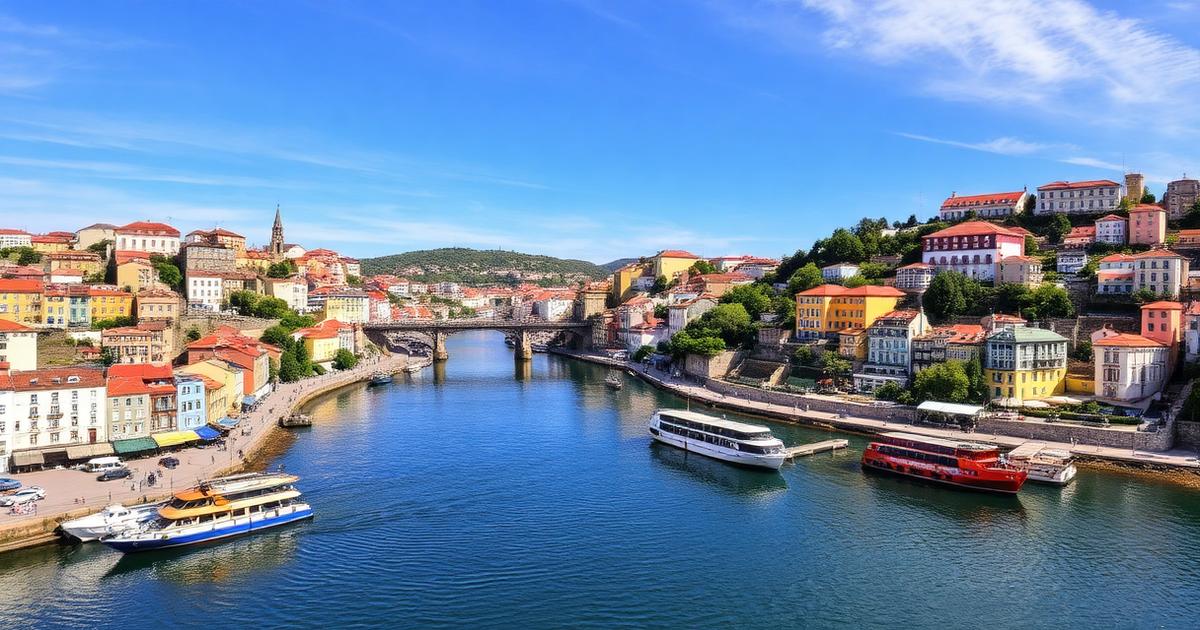
Northern Portugal — the Norte region — is where the country began. It stretches from the Atlantic beaches of the Costa Verde to the mountains of Trás-os-Montes, and from the vineyards of the Douro Valley to the granite historic centres of Porto, Braga and Guimarães. For foreigners moving to Portugal in 2026, it offers something the south increasingly doesn't: lower cost of living, a strong local identity, four real seasons, and cities that still feel Portuguese.
This guide covers what it's actually like to live there — cost, weather, healthcare, where to settle, and what's available on the ground.
Why choose the north over Lisbon or the Algarve
- Cost of living is 25–40% lower than Lisbon. A one-bedroom apartment in central Porto rents for €800–1,200 in 2026, versus €1,400–1,900 in Lisbon. In Braga or Guimarães, €550–750 is normal.
- Cities are compact and walkable. Porto's historic core, Braga's centre and Guimarães' old town are all easily done on foot.
- Nature is 30 minutes away. Peneda-Gerês National Park, the Douro Valley, and the Atlantic beaches of Matosinhos and Viana do Castelo are all short drives from the main cities.
- The food scene is exceptional and affordable. Francesinha, tripas à moda do Porto, bacalhau, and the wines of the Douro and Vinho Verde regions are part of daily life.
- Fewer tourists live here year-round, so integration into Portuguese life happens faster.
The trade-offs: winters are cooler and wetter (November–March), English is less widespread than in Lisbon or the Algarve, and international schools and specialist services are concentrated in Porto.
The main cities and what they're like
Porto
The economic and cultural capital of the north, and the second-largest city in Portugal. Best for anyone who wants city life with real infrastructure: metro, airport, universities, hospitals, and a growing international community. Neighbourhoods like Cedofeita, Bonfim and Foz do Douro each have a distinct character.
→ Browse places in Porto · Porto travel guide
Braga
One of the oldest cities in the Iberian Peninsula, and today one of the youngest thanks to the University of Minho. Cheaper than Porto, very family-friendly, strong tech scene.
Guimarães
The "birthplace of Portugal." Small (~160,000), beautifully preserved UNESCO centre, calm pace of life. Popular with couples and retirees who want history without a big-city rhythm.
Vila Nova de Gaia
Directly across the Douro from Porto — technically a separate city, effectively part of the metro area. Home to the port wine cellars and increasingly popular for expats priced out of central Porto.
→ Browse places in Vila Nova de Gaia
Matosinhos
Coastal city just north of Porto, famous for seafood restaurants and the beach. Well connected by metro.
Viana do Castelo
On the Atlantic north of Porto, near the Spanish border. Ocean, river, mountains and a historic centre — a good option for people who want the coast without the Algarve crowds.
→ Browse places in Viana do Castelo
Vila Real, Chaves, Bragança
The interior — Trás-os-Montes and the Douro Valley. Very affordable, breathtaking landscapes, but expect a rural pace, colder winters and less English.
→ Chaves · Vila Real · Bragança
Cost of living (2026 estimates)
| Item | Porto | Braga / Guimarães | Interior (Vila Real, Chaves) |
|---|---|---|---|
| 1-bed apartment, city centre | €900–1,200 | €550–750 | €350–500 |
| Utilities (couple) | €90–130 | €80–120 | €80–120 |
| Fibre internet | €30–40 | €30–40 | €30–40 |
| Coffee (espresso) | €0.90–1.20 | €0.70–0.90 | €0.60–0.80 |
| Menu do dia (lunch) | €9–14 | €7–10 | €6–9 |
| Monthly transport pass | €40 (Andante) | €30–35 | n/a |
A single person can live comfortably in Braga or Guimarães on €1,300–1,600/month, or in Porto on €1,700–2,200/month. A couple, roughly €2,200–3,000 depending on the city.
Weather and what to expect
Northern Portugal has a proper Atlantic climate: mild but wet winters, warm dry summers, and green landscapes year-round. Averages in Porto:
- Winter (Dec–Feb): 6–14 °C, frequent rain
- Spring (Mar–May): 10–20 °C, mixed
- Summer (Jun–Aug): 16–26 °C, dry and sunny
- Autumn (Sep–Nov): 12–22 °C, still warm through October
Inland (Vila Real, Bragança) is colder in winter, with occasional snow. The coast (Matosinhos, Viana) is windier but milder.
Healthcare
The SNS (public health system) is available to all legal residents and works well in the north — Porto's São João Hospital is one of the largest in the country. Private clinics are plentiful and affordable: a GP consultation runs €40–70, specialists €60–100.
→ SNS vs private healthcare guide · Browse clinics in the north · Browse pharmacies
Getting the paperwork done
The bureaucracy is the same across Portugal, but AIMA and Finanças offices in the north tend to have shorter waiting times than Lisbon.
- Complete moving-to-Portugal checklist
- How to get your NIF
- D7 visa (passive income)
- D8 digital nomad visa
Eating, staying and exploring
The north is where Portuguese food culture is at its most confident. From tascas serving €8 lunch menus to Michelin restaurants in Porto and Matosinhos:
- Restaurants in Porto
- Restaurants in Braga
- Cafés in Porto
- Hotels in Porto
- Hotels in Guimarães
- Attractions in Porto
Is northern Portugal right for you?
Choose the north if you want: authentic Portuguese daily life, lower rent, a compact walkable city (Porto), access to nature and wine country, and cooler summers.
Look elsewhere if you want: year-round beach weather (Algarve), the biggest international community and job market (Lisbon), or English as a default working language.
For most people relocating in 2026, the honest recommendation is: spend at least two weeks in Porto and Braga before deciding. The north tends to sell itself on the ground in a way it never quite does online.
Looking for a real place to visit or contact?
Open the directory