Living in Madeira, Portugal: A Complete Guide (2026)
Last updated: July 2026
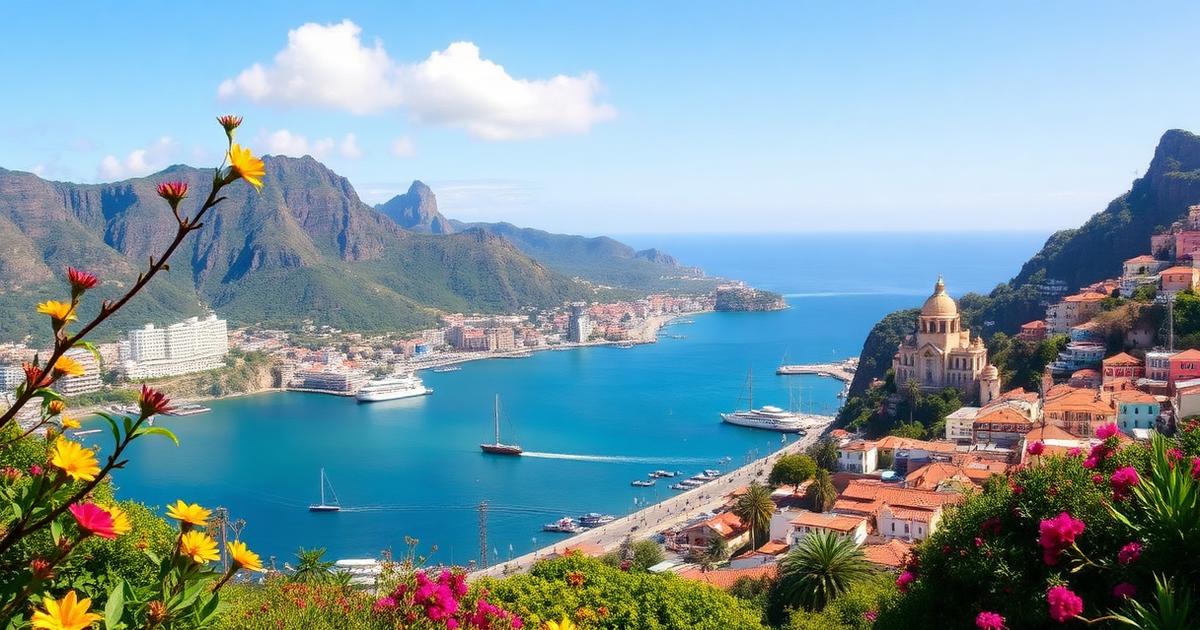
Madeira is a Portuguese archipelago 1,000 km southwest of Lisbon, floating in the Atlantic closer to Africa than to mainland Europe. Its subtropical climate, dramatic mountains, safe cities and growing digital-nomad scene have turned it into one of the most talked-about relocation destinations in Portugal. This guide covers what it's actually like to live there — cost, weather, healthcare, where to settle, and what's available on the ground.
Why choose Madeira
- Spring weather all year. Coastal temperatures sit between 17°C in winter and 25°C in summer. No cold season, no heatwaves.
- Very safe. Funchal is consistently ranked among the safest capitals in Europe.
- Lower cost of living than Lisbon. A one-bedroom apartment in central Funchal rents for €900–1,300 in 2026, versus €1,400–1,900 in Lisbon. Outside Funchal, €600–850 is normal.
- Nature is everywhere. Laurisilva forest (UNESCO), levada hiking trails, volcanic pools, and the Atlantic — all within 30 minutes of the capital.
- Digital Nomad Village in Ponta do Sol put Madeira on the remote-work map in 2021 and the community is still active.
- English is widely spoken in Funchal, tourism zones and coworking spaces — more so than in most of mainland Portugal.
The trade-offs: you're on an island (flights, not trains, to the mainland), rentals near Funchal have tightened since 2023, and the interior can be foggy and cool at altitude even when the coast is sunny.
The main places to live
Funchal
The capital and by far the largest city (~105,000). Best for anyone who wants city amenities: hospitals, international schools, the airport, restaurants, coworking, and a real expat community. Neighbourhoods like Sé (historic centre), São Martinho (residential, closer to the beach hotels) and Santa Luzia (quieter, above the centre) each have a distinct feel.
→ Browse places in Funchal · Funchal travel guide
Caniço and Santa Cruz
Just east of Funchal, near the airport. Cheaper rents, natural swimming areas (Reis Magos, Garajau) and a growing residential expat community.
→ Browse places in Caniço · Browse places in Santa Cruz
Câmara de Lobos
Small fishing town 10 minutes west of Funchal, famous for its harbour and Winston Churchill's paintings. Authentic, affordable, walkable.
→ Browse places in Câmara de Lobos
Ponta do Sol and Calheta
The sunny south-west coast. Ponta do Sol is home to the original Digital Nomad Village and has the best sunshine hours on the island. Calheta has one of the few sandy (imported) beaches and a marina.
→ Browse places in Ponta do Sol · Browse places in Calheta
Ribeira Brava and São Vicente
Quieter towns on the south and north coasts. Good if you want a slower pace and cheaper rent, with a car.
→ Browse places in Ribeira Brava · Browse places in São Vicente
Machico
The second-largest town, on the east coast near the airport. Historic (first Portuguese landing point on the island) with a small beach.
Santana, Porto Moniz, Porto Santo
- Santana — north coast, famous triangular thatched houses, dramatic cliffs.
- Porto Moniz — north-west corner, natural volcanic pools.
- Porto Santo — the sister island, 9 km of golden beach, ~40-min ferry or flight from Funchal. Slower, hotter, quieter.
→ Browse places in Santana · Browse places in Porto Moniz · Browse places in Vila Baleira
Cost of living (2026, single person)
| Item | Funchal centre | Outside Funchal |
|---|---|---|
| 1-bed apartment, long-term | €900–1,300 | €600–850 |
| Utilities (electricity, water, internet) | €90–130 | €90–130 |
| Groceries | €200–280 | €200–280 |
| Public transport pass | €35 | — |
| Coffee at a café | €0.90–1.30 | €0.80–1.10 |
| Lunch menu at a local restaurant | €9–14 | €8–12 |
Realistic monthly total: €1,500–2,000 in Funchal, €1,200–1,600 outside.
Weather and climate
Madeira has microclimates. The south coast (Funchal, Câmara de Lobos, Ponta do Sol, Calheta) is sunnier and warmer. The north coast (São Vicente, Santana, Porto Moniz) is greener and wetter. The interior — Pico do Arieiro, Poiso, Encumeada — is significantly cooler and often above the cloud line.
Rain concentrates October–March but rarely lasts full days. Summers are dry, breezy and never brutal.
Healthcare
Madeira has its own regional health service (SESARAM), integrated with the SNS. The main public hospital is Hospital Dr. Nélio Mendonça in Funchal. Private options include Hospital Particular da Madeira and HPA Saúde. Residents with a NIF and social security number get near-free public healthcare; private insurance costs €30–70/month.
→ Clinics in Madeira · Pharmacies in Madeira
Getting around
- Car. Recommended for anyone outside Funchal. The road network is excellent — mostly tunnels and viaducts — but streets are narrow and steep.
- Buses. Horários do Funchal covers the capital; SAM, Rodoeste and EACL cover the rest of the island. Reliable but slower.
- No trains. The whole island is roads only.
- Ferry to Porto Santo. Daily in summer, less frequent in winter (~2h30).
- Airport (FNC). Direct flights to Lisbon, Porto, most major European cities, and seasonal routes to North America.
Visas and paperwork
If you're moving from outside the EU, the same national routes apply as on the mainland:
- D7 visa — for passive income (pensions, dividends, rentals).
- D8 digital nomad visa — for remote workers earning €3,480+/month.
- Getting a NIF — the tax number you need for everything: rent, utilities, phone.
- Full moving checklist.
Madeira also has a well-known International Business Centre (IBM) with reduced corporate tax (5%) for qualifying companies until 2028 — worth researching if you're relocating a business.
Food, coffee and daily life
Local cuisine is distinct from the mainland: espetada (beef skewers on laurel wood), bolo do caco (garlic flatbread), lapas (grilled limpets), poncha (rum, honey, lemon) and Madeira wine. Fish is excellent, especially espada (black scabbardfish) and tuna.
→ Restaurants in Funchal · Cafés in Funchal · Hotels in Funchal
Downsides to know about
- Rentals are tight. Long-term inventory near Funchal has been reduced by short-term rentals — start searching early.
- Island logistics. Amazon deliveries take longer, some products cost more, and specialist appointments sometimes require a trip to Lisbon.
- Weather microclimates. If you settle on the north coast expecting Funchal sun, you'll be disappointed. Visit before signing a lease.
- Winding roads. Motion-sensitive people struggle at first — even 20-minute drives can involve dozens of tunnels and curves.
Is Madeira right for you?
Choose Madeira if you want year-round mild weather, nature, safety, and a compact expat/remote-work community without the price tag or crowds of Lisbon and the Algarve. Skip it if you need mainland connectivity, big-city variety, or a strictly urban lifestyle.
For most people the practical move is: live in or near Funchal for the first 6–12 months, then decide whether to stay urban or move to a quieter town on the south-west coast.
Explore Madeira on PortugalWhere
Looking for a real place to visit or contact?
Open the directory