Religious Tourism in Portugal: Shrines, Cathedrals & Pilgrim Routes (2026 Guide)
Last updated: July 2026
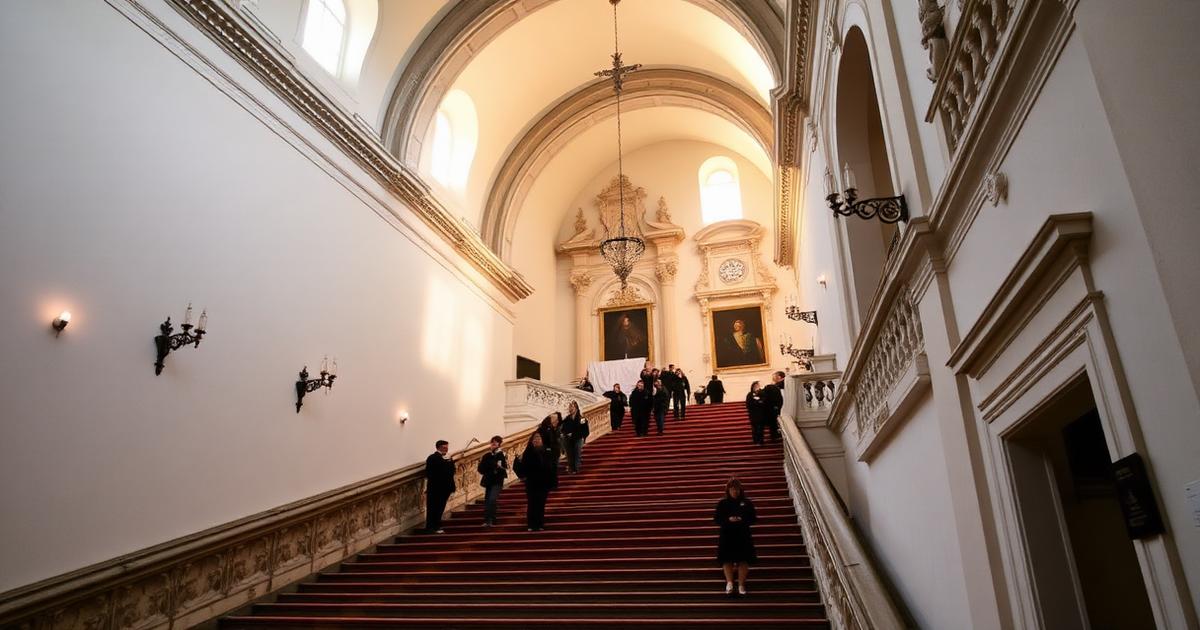
Portugal is one of the most important destinations for religious tourism in Europe. From the world-famous Marian shrine of Fátima — which draws millions of pilgrims every year — to Romanesque cathedrals, Templar monasteries, cliff-top monasteries in the Azores and Madeira, and the Portuguese branches of the Camino de Santiago, few countries pack this much sacred heritage into so small a territory.
This guide covers the essential shrines and cathedrals, the biggest annual pilgrimages and religious festivals, and how to plan a route — whether you are travelling for faith, culture, or both.
Fátima — Portugal's global shrine
The Sanctuary of Our Lady of Fátima, in the Centro region, is the reason most religious travellers come to Portugal. In 1917 three shepherd children reported apparitions of the Virgin Mary at the Cova da Iria; today the sanctuary receives an estimated 6 to 8 million visitors a year, making it one of the largest Marian shrines in the world.
Key sites inside the sanctuary:
- Chapel of the Apparitions (Capelinha das Aparições) — the small chapel on the exact spot of the 1917 events.
- Basilica of Our Lady of the Rosary — the original neoclassical basilica, with the tombs of the three seers Lúcia, Francisco and Jacinta.
- Basilica of the Most Holy Trinity — the modern circular basilica, one of the largest Catholic churches in the world by capacity.
The two biggest pilgrimage dates are 12–13 May and 12–13 October, when hundreds of thousands gather for candlelight processions. Smaller monthly pilgrimages happen on the 12th and 13th of every month from May to October.
→ Places in Fátima · Hotels in Fátima · Restaurants in Fátima
Great cathedrals and religious cities
Braga — the "Portuguese Rome"
Braga has been an archbishopric since the Roman era and is the religious capital of Portugal. The Sé de Braga is the oldest cathedral in the country (12th century). Just outside town, the Bom Jesus do Monte sanctuary — with its dramatic baroque staircase — is a UNESCO World Heritage site since 2019. Braga's Holy Week (Semana Santa) processions are the most important in Portugal.
→ Places in Braga · Braga Quality of Life · Living in Northern Portugal
Lisbon — Sé, Jerónimos and São Vicente
The Sé de Lisboa is the city's 12th-century Romanesque cathedral, built shortly after the reconquest. In Belém, the Mosteiro dos Jerónimos (UNESCO) is the masterpiece of Manueline architecture and holds the tomb of Vasco da Gama. The Igreja de São Roque houses one of the most expensive chapels ever built. Every 12–13 June, Lisbon celebrates its patron Santo António with street processions and the Casamentos de Santo António mass weddings.
→ Places in Lisbon · Attractions in Lisbon
Porto — Sé and São Francisco
The fortress-like Sé do Porto dominates the old city. Down the hill, the Igreja de São Francisco hides one of the most spectacular gilded baroque interiors in Europe. Porto's patron São João on 23–24 June is officially a folk festival, but its roots are religious.
→ Places in Porto · Attractions in Porto
Évora — cathedral and the Chapel of Bones
Évora's fortified 13th-century Sé is one of the largest medieval cathedrals in Portugal. Nearby, the Capela dos Ossos at the Church of São Francisco — its walls and pillars lined with the bones of some 5,000 monks — is one of the country's most striking sacred sites.
→ Places in Évora · Medieval Portugal
Coimbra — Sé Velha and the university chapel
The Sé Velha (12th century) is one of Portugal's finest Romanesque cathedrals. Up the hill, the baroque Capela de São Miguel inside the historic university (UNESCO) is a jewel of Portuguese sacred art.
Viseu, Lamego and the Douro
The mountainous north-centre is dense with sanctuaries. Nossa Senhora dos Remédios in Lamego, reached by a monumental baroque staircase of nearly 700 steps, is one of the most photographed pilgrimage sites in Portugal.
→ Places in Lamego · Places in Viseu
Templar and monastic Portugal
Tomar — Convento de Cristo
Headquarters of the Knights Templar in Portugal, later the Order of Christ. The UNESCO-listed Convento de Cristo wraps a 12th-century Templar rotunda in Manueline cloisters and is one of the most extraordinary religious complexes in Europe.
→ Places in Tomar · Medieval Portugal
Alcobaça and Batalha — the great Cistercian and Dominican monasteries
Two UNESCO monasteries within an hour of Fátima, easy to combine on the same day.
- Mosteiro de Alcobaça — 12th-century Cistercian abbey, tombs of King Pedro and Inês de Castro.
- Mosteiro da Batalha — Dominican monastery built to commemorate the 1385 victory of Aljubarrota; a masterpiece of Portuguese Gothic and Manueline.
→ Places in Alcobaça · Places in Batalha
The Camino de Santiago — Portuguese routes
The Caminho Português is the second most walked route to Santiago de Compostela in Spain, after the French Way. It has several official branches, all starting or passing through Portugal:
- Caminho Central — from Lisbon (or, more commonly, Porto) via Barcelos, Ponte de Lima and Valença. ~240 km from Porto.
- Caminho da Costa — coastal variant from Porto via Vila do Conde, Póvoa de Varzim, Viana do Castelo and Caminha.
- Caminho Interior — from Viseu and Chaves through the interior north.
- Variante Espiritual — a spiritual detour from Pontevedra that ends by boat up the river Ulla.
Most pilgrims start in Porto to complete the final 100 km required for the Compostela certificate.
→ Places in Porto · Places in Viana do Castelo · Places in Ponte de Lima · Places in Valença
Sacred islands: Azores and Madeira
Azores — Senhor Santo Cristo dos Milagres
Every fifth Sunday after Easter, Ponta Delgada on São Miguel hosts the Festa do Senhor Santo Cristo dos Milagres, the largest religious festival in the Azores. The image of the Ecce Homo is paraded through streets carpeted with flowers.
Madeira — Monte and Nossa Senhora do Monte
Above Funchal, the Igreja de Nossa Senhora do Monte is Madeira's most important pilgrimage church and holds the tomb of the last emperor of Austria-Hungary, Karl I. The 15 August feast is the biggest religious celebration on the island.
→ Places in Funchal · Living in Madeira
Big annual religious festivals
| Date | Where | Festival |
|---|---|---|
| Holy Week (Mar/Apr) | Braga | Semana Santa — Portugal's most solemn Holy Week |
| Holy Week (Mar/Apr) | Óbidos, Loulé, Vila do Conde | Regional Semana Santa processions |
| 12–13 May | Fátima | May Pilgrimage to Our Lady of Fátima |
| 5th Sunday after Easter | Ponta Delgada, Azores | Senhor Santo Cristo dos Milagres |
| 12–13 June | Lisbon | Santo António — patron of Lisbon |
| 23–24 June | Porto & Braga | São João |
| 29 June | Various | São Pedro |
| Late Aug / early Sep | Viana do Castelo | Romaria de Nossa Senhora da Agonia |
| 8 September | Lamego | Nossa Senhora dos Remédios |
| 15 August | Funchal, Madeira | Nossa Senhora do Monte |
| 12–13 October | Fátima | October Pilgrimage — the anniversary of the "Miracle of the Sun" |
| 1 November | Nationwide | All Saints' Day (public holiday) |
| 8 December | Nationwide | Feast of the Immaculate Conception (public holiday and patroness of Portugal) |
Practical tips for religious travellers
- When to go for Fátima. For the biggest pilgrimages, arrive at least a day before 12 May or 12 October. Hotels in Fátima and nearby Ourém and Batalha book out months in advance. Any other month, Fátima is calm and easy to visit as a day trip from Lisbon, Coimbra or Nazaré.
- Combine Fátima + Alcobaça + Batalha + Nazaré. All four are within about one hour of each other. It is the classic one-day religious circuit in central Portugal.
- Dress code. Portugal is relaxed, but shoulders and knees covered are expected inside cathedrals and sanctuaries, especially during Mass.
- Mass in English. Fátima celebrates daily international Masses in multiple languages, including English. Lisbon and Porto also have parishes with regular English-language services.
- Getting there without a car. Fátima has direct buses (Rede Expressos) from Lisbon, Coimbra and Porto. Braga is on the main northern rail line. For the Camino, most pilgrims start at Porto's Sé and follow yellow arrows northwards.
Plan the trip on PortugalWhere
Use the directory to plan the on-the-ground side of your religious trip — where to sleep, eat and get medical support if you need it.
- Fátima: hotels · restaurants · pharmacies
- Braga: hotels · restaurants · cafés
- Porto: hotels · attractions
- Lisbon: hotels · attractions
- Coimbra: hotels · restaurants
- Funchal (Madeira): hotels · restaurants
- Ponta Delgada (Azores): places
Related guides
Looking for a real place to visit or contact?
Open the directory