Food Tourism in Lisbon: The Complete Guide (2026)
Last updated: July 2026
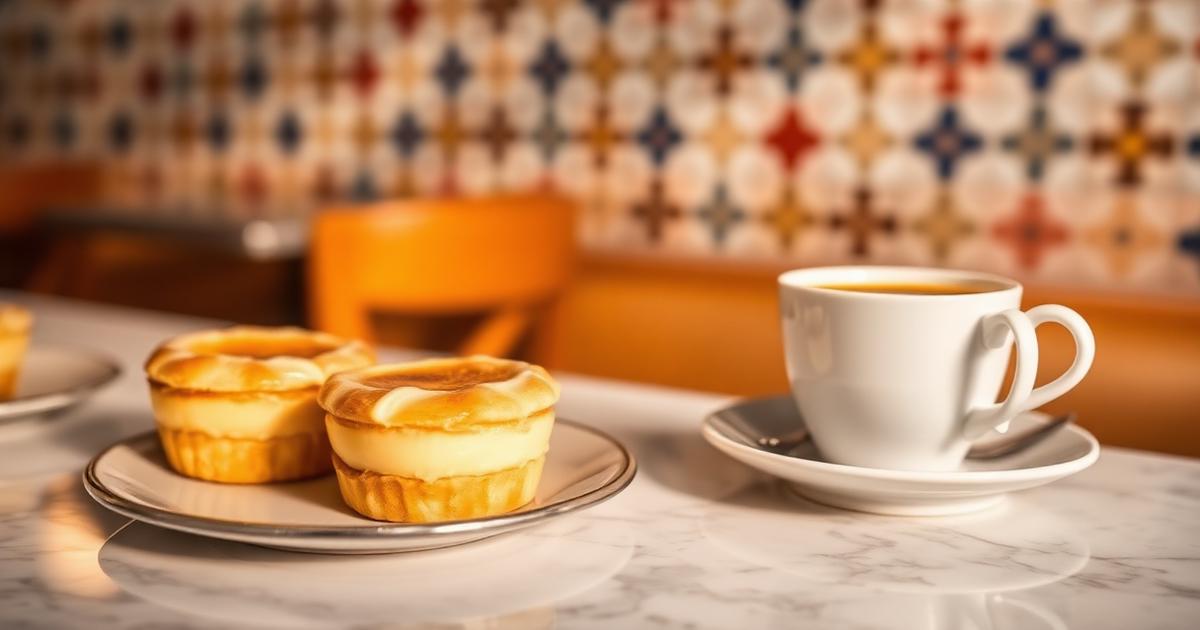
Lisbon is one of Europe's best-value food cities. You can eat grilled fish at a family tasca for €12, drink a €1 espresso standing at a marble counter, and still book a two-star tasting menu the same week. This guide covers what to eat, where to eat it, and how to plan a few days in Lisbon around food.
What makes Lisbon different
- Seafood first. Atlantic fish and shellfish arrive daily. Grilled sardines, sea bass (robalo), octopus (polvo) and clams (amêijoas à Bulhão Pato) are staples, not specials.
- Cheap, honest cooking. The tasca — a small, family-run neighbourhood restaurant — is still the backbone of eating out. Paper tablecloths, a handwritten menu, house wine by the jug.
- Pastry culture. Bakeries (pastelarias) open early and are used as cafés all day. The pastel de nata is the icon, but travesseiros, bolo de arroz and queijadas deserve as much attention.
- Coffee as routine. A bica (espresso) costs €0.80–1.20 at the counter, usually more if you sit outside.
- Wine that punches up. Vinho Verde, Alentejo reds, Bairrada and — from just outside the city — Colares and Bucelas.
The dishes to prioritise
| Dish | What it is | Where it shines |
|---|---|---|
| Bacalhau à Brás | Salt cod with shredded potato, onion and egg | Any decent tasca |
| Sardinhas assadas | Charcoal-grilled sardines | June, during the Santo António festivals |
| Amêijoas à Bulhão Pato | Clams with garlic, coriander and olive oil | Seafood houses (cervejarias) |
| Bifana | Marinated pork sandwich | Snack bars and beer halls |
| Polvo à lagareiro | Roast octopus with olive oil and potatoes | Traditional restaurants |
| Arroz de marisco | Soupy seafood rice, served for two | Riverside and Cascais-side places |
| Pastel de nata | Custard tart, cinnamon on top | Belém and every good pastelaria |
| Ginjinha | Sour-cherry liqueur, served in a shot glass | Kiosks around Rossio |
Neighbourhoods to eat in
Baixa & Chiado
The centre. Highest tourist density, so it's the easiest place to eat badly — but also home to historic cafés, beer halls and the city's best-known pastry counters.
→ Restaurants in Lisbon · Cafés in Lisbon
Alfama & Graça
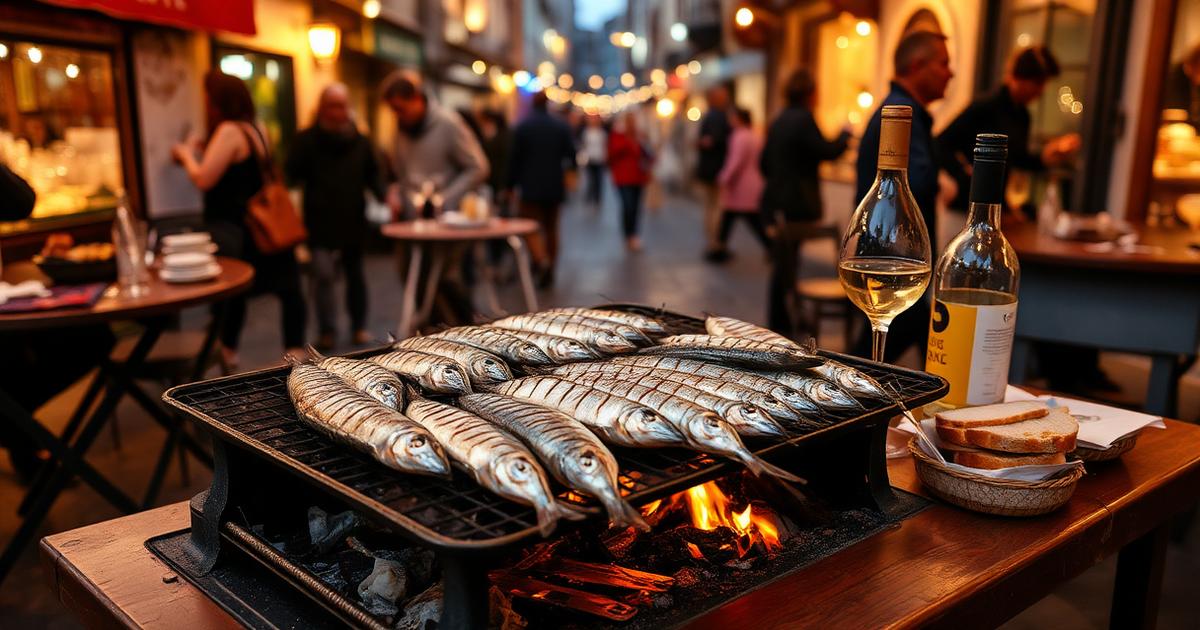
Steep, tiled and full of small family kitchens. This is where the June sardine grills take over the streets. Fado houses here serve dinner, but go for the music and set expectations for the food.
Bairro Alto & Príncipe Real
Bairro Alto is nightlife-led — small plates, late hours. Príncipe Real, one street up the hill, is where the modern Portuguese kitchens and wine bars cluster.
Cais do Sodré & Time Out Market
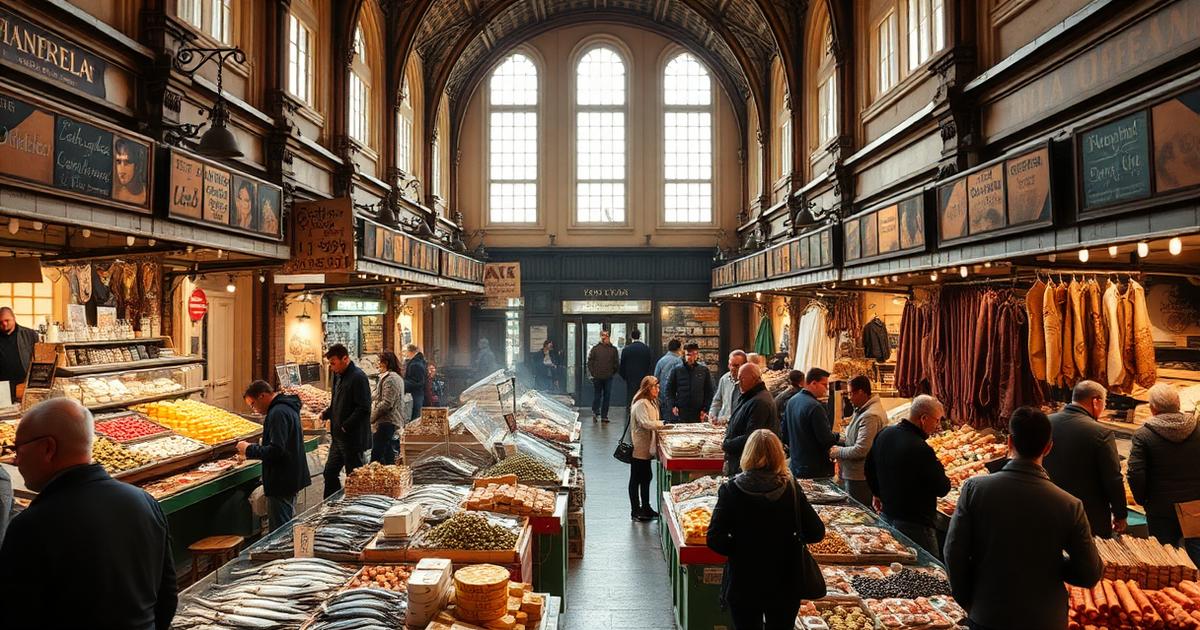
The Mercado da Ribeira / Time Out Market puts dozens of chef-run counters under one roof. It's touristy and not cheap, but it's the single fastest way to taste a lot of Lisbon cooking in one sitting.
Belém
Monastery, museums, and the original custard-tart bakery. Combine sightseeing with a mid-morning pastry stop.
Marvila & Beato
The eastern riverfront: breweries, warehouse restaurants and wine projects. Least touristed, best for a Saturday afternoon.
Markets worth a morning
- Mercado da Ribeira (Time Out Market) — half traditional market, half food hall. Go before 12:30 to get a seat.
- Mercado de Campo de Ourique — smaller, more local, mixed produce and food counters.
- Feira da Ladra (Tuesdays & Saturdays) — flea market, but the surrounding Graça cafés make it a good food walk.
- Mercado de Arroios — genuinely neighbourhood, strong on produce and low prices.
→ Bakeries and pastelarias · Bars in Lisbon
Practical tips
Best time to go. March–June and September–October. June is the peak month for street food culture: during the Festas de Lisboa, Alfama, Graça, Madragoa and Bica fill with sardine grills and outdoor tables.
How long to stay. Three to four days is enough for a food-focused first trip: one day central, one day Belém plus Alcântara, one day Alfama and the eastern riverfront, and one day for a day trip.
Meal times. Lunch is roughly 12:30–15:00 and dinner 19:30–22:30. Kitchens in traditional places close between services.
The couvert. Bread, olives, cheese and pâté arrive unrequested and are charged if eaten. Send back what you don't want — it isn't rude.
Booking. Tascas rarely take reservations; arrive at opening or expect to wait. Tasting-menu restaurants need booking weeks ahead.
Tipping. Not obligatory. Rounding up, or 5–10% for good service, is normal.
Costs (2026, per person). Coffee and a pastry €2–3. Tasca lunch with wine €12–18. Mid-range dinner €25–40. Seafood cervejaria €45–70. Tasting menu €120–250.
Day trips for food
- Cascais and Guincho — seafood on the coast, 40 minutes by train from Cais do Sodré.
- Sintra — travesseiros and queijadas, best eaten warm in the old town.
- Setúbal — fried cuttlefish (choco frito) and the Serra da Arrábida wine region, about an hour away.
- Azeitão — sheep's cheese and Moscatel fortified wine.
→ Places in Cascais · Places in Sintra · Places in Setúbal
A three-day eating plan
Day 1 — Centre. Pastry and bica breakfast in Baixa, lunch at Time Out Market, ginjinha near Rossio, dinner at a cervejaria for clams and grilled fish.
Day 2 — Belém & west. Custard tarts mid-morning, museums, late lunch in Alcântara, dinner in Príncipe Real with a Portuguese wine list.
Day 3 — Alfama & east. Market morning, tasca lunch in Graça, afternoon in Marvila's breweries, fado dinner in Alfama.
Where to look next
Lisbon rewards curiosity more than budget. The best meal of the trip is as likely to be a €14 plate of grilled fish in a tiled room with six tables as anything with a tasting menu.
Map of Lisbon's food stops
Markets, pastry counters, tasca neighbourhoods and riverside breweries, plotted across the city.
Looking for a real place to visit or contact?
Open the directory