Emergency Rooms in Portugal: Costs & What to Expect as a Foreigner
Last updated: July 2026
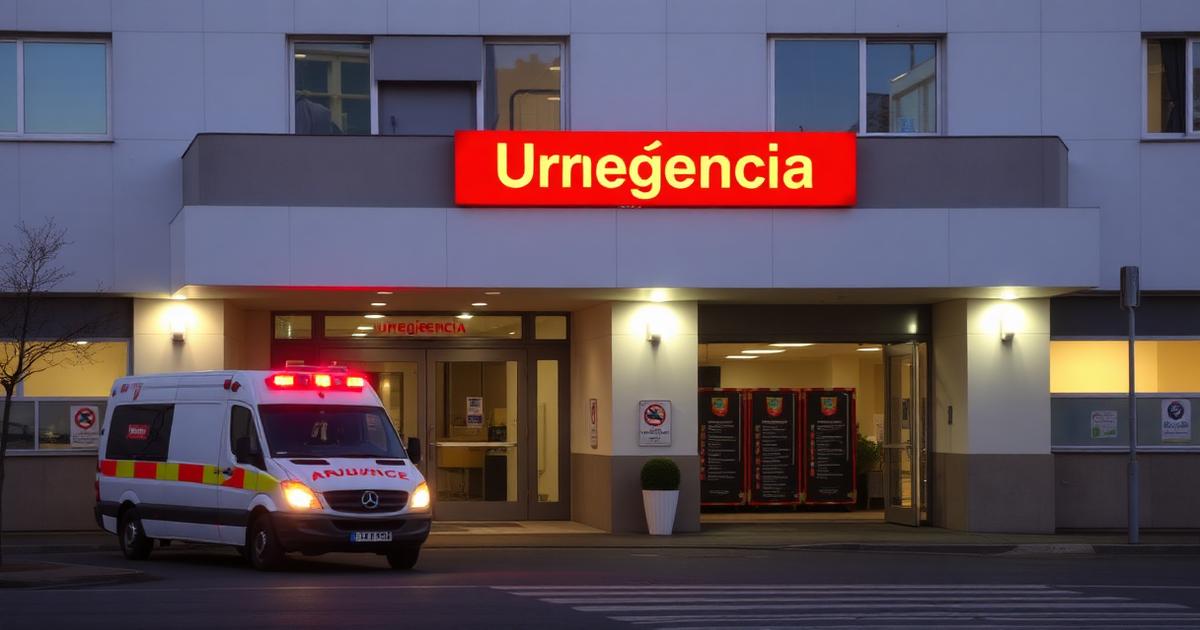
Medical emergencies don't wait for your paperwork to be sorted. Whether you're on holiday or newly arrived, here's what actually happens if you end up needing urgent care in Portugal.
The number to know: 112
112 is Portugal's single emergency number for police, fire, and ambulance — free to call from any phone, including without a Portuguese SIM. Operators generally handle English, though response speed for an English speaker can vary. If you're not confident in Portuguese, say "I need an ambulance / preciso de uma ambulância" clearly and give your location.
For situations that are urgent but not life-threatening, going directly to a hospital's emergency department (urgência) yourself, by taxi or car, is usually faster than waiting for an ambulance.
Urgência vs. centro de saúde: know the difference
This is the most common point of confusion for newcomers:
| Centro de saúde | Urgência (Hospital ER) | |
|---|---|---|
| What it's for | Non-urgent, routine, family doctor care | Genuine emergencies, serious injury, acute illness |
| Wait times | Appointment-based, can be slow to get one | Triage-based — could be minutes or hours depending on severity |
| Walk-ins | Limited | Yes, always accepts walk-ins |
| Cost for residents (SNS) | Low/subsidized | Moderate fee, higher if triaged as non-urgent |
| Cost for non-residents | Full price | Full price, billed directly |
If your issue isn't life-threatening, going to a centro de saúde or a private clinic is faster and cheaper than clogging an ER — Portuguese hospitals actively discourage non-urgent ER visits, and you may be charged a higher fee if triage rates your case as low-priority.
Triage: how it actually works
Hospital ERs in Portugal use the Manchester Triage System, colour-coded by urgency:
- Red / Orange — immediate or very fast attention
- Yellow — urgent, but you'll wait
- Green / Blue — non-urgent, expect a long wait, potentially several hours
You are seen in order of medical urgency, not arrival time — a common source of frustration for people used to first-come-first-served systems. Don't be surprised if people who arrived after you are seen first; ask staff for your triage color if you want a sense of expected wait.
What it costs if you're not a resident (or uninsured)
If you're an EU/EEA citizen with a valid European Health Insurance Card (EHIC), you're generally entitled to be treated on the same terms as a Portuguese SNS user — meaning reduced or no direct charge for necessary care, reimbursed between health systems.
If you're not covered by EHIC or an equivalent reciprocal agreement (most non-EU tourists, and newly arrived non-EU residents without SNS access yet), expect to be billed directly for the visit and any treatment. Portuguese public hospital emergency fees are lower than in some countries (like the US), but non-covered treatment, imaging, or an overnight stay can still add up meaningfully — this is a real cost, not a nominal one, so don't assume it's cheap without checking your specific bill.
Practical takeaway: get travel or health insurance before you arrive. For short stays, travel insurance with medical coverage is the standard, low-cost way to avoid a large unexpected bill. For new residents waiting on SNS registration, private health insurance bridges the gap — compare private health insurance options →.
SNS vs. travel/private insurance for emergencies
- SNS (public system): Once you have your número de utente, emergency care is subsidized like for any Portuguese resident. But you generally can't register for a utente number until you have proof of legal residence — so there's a gap period for many new arrivals.
- Travel insurance: Best for tourists and short stays — covers emergency treatment and often repatriation, but won't help with routine care.
- Private health insurance: Best for residents in the gap period before SNS registration, or anyone who wants shorter wait times and private hospital access generally.
See the full comparison of SNS vs. private healthcare in Portugal →
What to bring to the ER
- Passport or ID
- Insurance card / policy details (EHIC, travel insurance, or private plan)
- A list of any medications you're currently taking
- Your Cartão de Cidadão or residence card, if you have one, and your utente number if registered
FAQ
Is calling 112 free? Yes, it's free from any phone, including without credit or a Portuguese SIM card.
Will I be treated in an emergency even without insurance or residence papers? Yes — Portuguese hospitals are required to treat genuine emergencies regardless of your insurance or residency status. You may be billed afterward if you're not covered.
How long are ER wait times in Portugal? It depends entirely on your triage color. Life-threatening cases are seen almost immediately; non-urgent cases can wait several hours, especially in larger cities.
Should I go to a public or private hospital in an emergency? For genuine emergencies, public hospital ERs are equipped to handle the most serious cases and are usually the better choice. Private hospitals can be faster for less severe issues if you're insured or willing to pay out of pocket.
Do I need to speak Portuguese to be treated? No, but it helps. Larger city hospitals generally have English-speaking staff; smaller regional hospitals may not, especially outside peak hours — a translation app is a reasonable backup.
What if I get a bill I don't understand? Ask the hospital's billing office (gabinete de utente or financial services) for an itemized explanation before paying — this is a normal and expected request as a foreigner.
Last updated: July 2026.
Looking for a real place to visit or contact?
Open the directory