International Schools in Lisbon: Fees & Waiting Lists (2026)
Last updated: August 2026
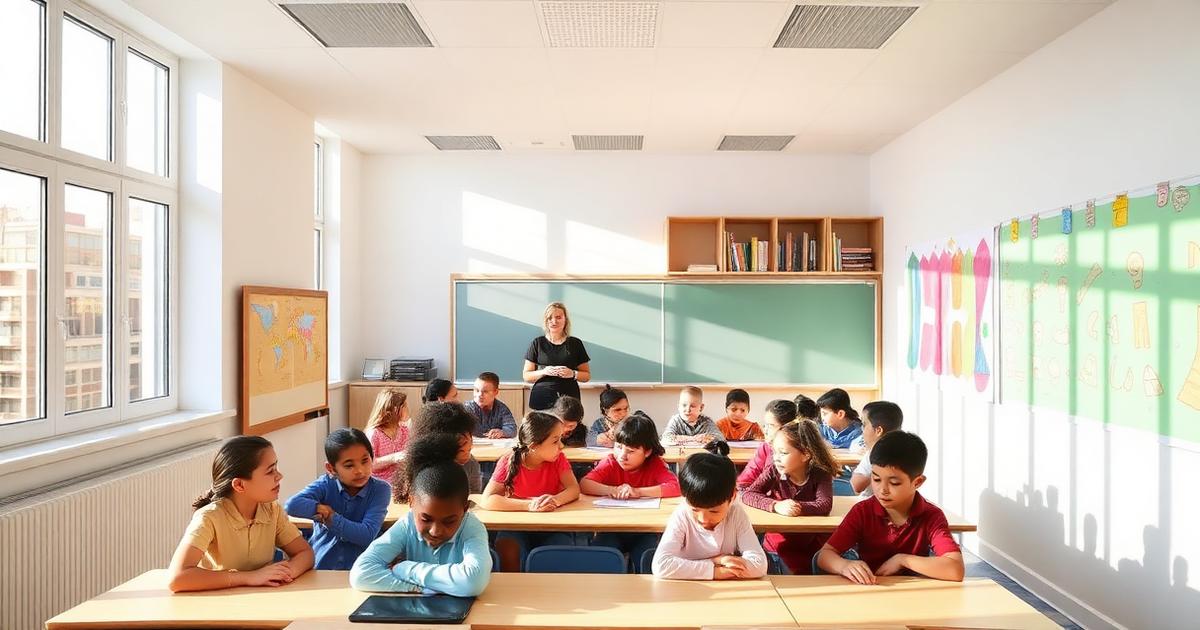
Lisbon has the highest concentration of international schools in Portugal, driven by years of steady demand from relocating families. That demand has an obvious side effect: the best-known schools run waiting lists, sometimes for years rather than months. If you're planning a move with school-age kids, this is one of the first things to sort out — often before you've even found housing.
Why waiting lists exist
Portugal's Golden Visa era, the NHR tax regime (now replaced by IFICI), and a steady wave of remote workers and retirees relocating with families all pushed demand for English-language education well above the existing supply. Schools have expanded capacity over the past few years, but the most established names — with decades-long reputations and strong exam results — still fill up early, particularly for the lower primary years, which is when most families enter the system and where turnover is lowest.
Turnover is the key variable: spots open up mainly when families leave Portugal or move between schools, not through capacity increases. That's why applying early and applying to multiple schools in parallel is standard practice, not overkill.
Types of curriculum available
Lisbon's international school market is more diverse than most European capitals of similar size:
| Curriculum | Typical exit qualification | Notes |
|---|---|---|
| British | IGCSE, A-Levels | Widely available, well recognized for UK university entry |
| American | US High School Diploma, AP | Fewer schools, but strong presence |
| International Baccalaureate (IB) | IB Diploma | Offered as a track within several schools, valued for its international transferability |
| Bilingual Portuguese-English | Portuguese national exams + English fluency | A middle path — see below |
Most schools that aren't purely IB also offer some form of dual accreditation or exam pathway, so it's worth checking exactly what qualification your child will graduate with, not just the language of instruction.
International school vs. bilingual school
This distinction trips a lot of families up:
- International schools teach primarily in English (or another foreign language), follow a foreign curriculum, and are generally aimed at expat and diplomatic families planning to move again or return to their home country's university system.
- Bilingual schools split instruction between Portuguese and English (or another language), follow the Portuguese curriculum with an added language track, and are a better fit for families planning to stay in Portugal long-term or who want their children fully integrated into Portuguese academic and social life.
Bilingual schools are usually less expensive and have shorter waiting lists than the flagship international schools, making them a practical middle ground if pure international placement isn't available in time.
Fee ranges (qualitative)
Exact tuition varies significantly by school, year group, and whether you're paying an enrollment/capital fee on top of annual tuition. As a general guide:
- Bilingual schools: moderate, broadly comparable to private (non-international) schooling in other European capitals
- Mid-tier international schools: notably higher, often with a one-time enrollment or "building fund" fee
- Premium British/American/IB schools: the highest bracket, with fees that can rival private schools in London or major US cities, especially at secondary level
Always request the current fee schedule directly from each school — bundled costs (registration, uniforms, buses, exam fees, lunch) can add a meaningful amount on top of tuition, and fees are typically reviewed annually.
How to apply early
- Start before you move, ideally 9–12 months ahead for the most in-demand schools and year groups.
- Apply to more than one school. Waiting lists are common enough that families routinely hold a place at a second-choice school while waiting for their first choice.
- Ask about entry points. Some schools only have real openings at the start of specific year groups (e.g., the first year of primary or the transition to secondary) — applying mid-cycle can mean a longer wait even if you're flexible on dates.
- Have documents ready: previous school reports, passport copies, and sometimes an entrance assessment or interview, particularly at secondary level.
- Ask directly about the waiting list length for your child's specific year — schools are usually candid about this, and it varies enormously by grade.
FAQ
How far in advance should I apply to a Lisbon international school? For the most sought-after schools, 9–12 months ahead is a safe target, and for popular entry years even earlier is common. Less in-demand schools or bilingual options can sometimes accommodate a family with just a few months' notice.
Are international schools in Lisbon worth the cost? It depends on your plans. If you expect to relocate again or want continuity with a foreign university system, yes. If you're settling long-term in Portugal, a bilingual school or the public system is often a more cost-effective and integrative path.
Do international schools require an entrance exam? Many do, especially for secondary years — typically an assessment in English and math, sometimes combined with a short interview. Primary entry is usually less formal.
Can I apply from abroad before moving to Portugal? Yes, and it's recommended. Most schools accept applications and hold interviews remotely (video call) before your move.
Is there financial aid or scholarships at international schools? Some schools offer limited scholarships or sibling discounts, but this isn't standard across the board — ask directly, as it's rarely advertised.
What happens if I can't get a spot before moving? Bilingual schools and the Portuguese public system (which includes dedicated support for non-Portuguese speakers) are viable interim or permanent options — see our guide to public schooling for expat kids.
Browse and compare schools in our Lisbon schools directory →
Looking for a real place to visit or contact?
Open the directory