Porto Santo, Madeira: The Complete Guide (2026)
Last updated: July 2026
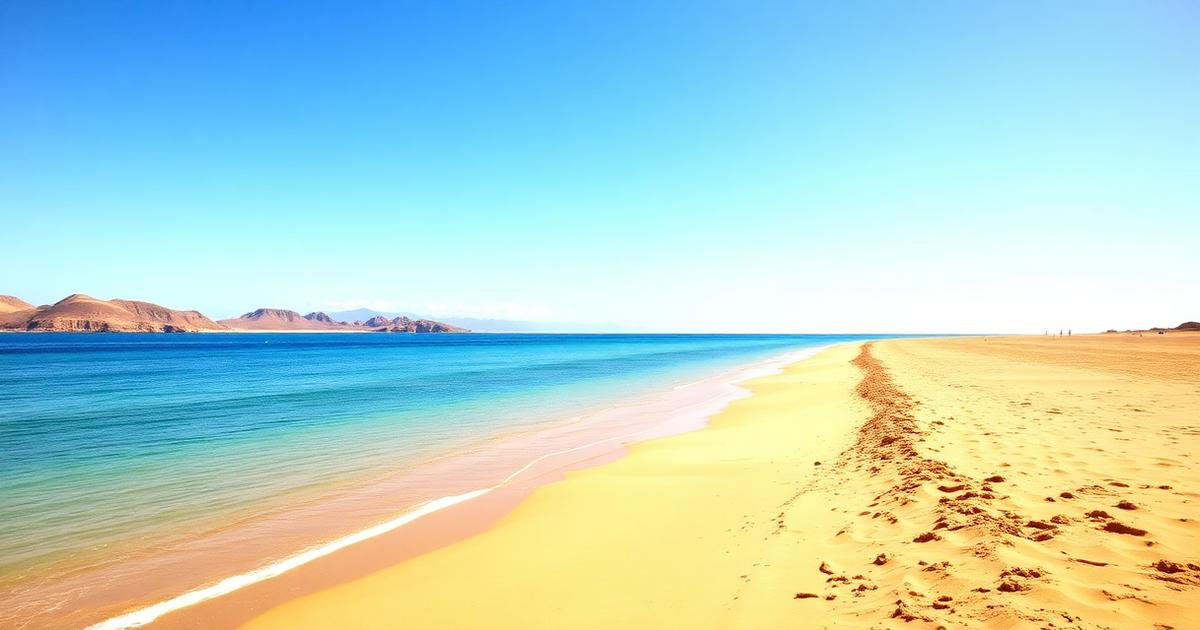
Porto Santo is Madeira's smaller sister island — a 9-kilometre stretch of golden sand in the middle of the Atlantic, 43 km northeast of Madeira. While Madeira is dramatic, green and volcanic, Porto Santo is flat, sunny and beach-first. It's where locals from Funchal go on holiday, and it stays under the radar of most international travellers.
This guide covers what Porto Santo is really like — the beach, how to get there, where to stay, what to do, and how it compares to Madeira.
Why Porto Santo is different
- One of Europe's best beaches. Nine kilometres of soft, golden sand — unusual anywhere in Portugal, and especially in volcanic Madeira, where beaches are mostly pebbles or black sand.
- Warm, dry and flat. Around 2,500 hours of sunshine a year, less rain than Madeira, and terrain you can actually cycle across.
- Therapeutic sand. The sand is officially recognised as having medicinal properties (rich in calcium and magnesium). Sand-bathing (areoterapia) is a genuine local tradition for joint and skin conditions.
- Small and safe. ~5,500 residents, one main town, virtually no crime.
- Christopher Columbus lived here in the 1480s, married to the governor's daughter. His former house is now a museum in Vila Baleira.
The trade-off: Porto Santo is small. Two or three days is enough for most visitors. If you want mountains, forests and dramatic scenery, that's Madeira — not here.
Getting to Porto Santo
By ferry
The Lobo Marinho ferry runs daily from Funchal in high season, roughly 5–6 times a week in winter. Crossing takes about 2h 15min. Return fare in 2026: roughly €60–75 for a foot passenger, more with a car. Book ahead in July and August.
By plane
Binter Canarias and occasionally SATA fly Funchal ↔ Porto Santo in 15 minutes. It's one of the shortest scheduled commercial flights in the world. Fares from around €50–80 one-way if booked ahead. There are also direct seasonal flights from Lisbon and a few European cities.
The airport (PXO) is 3 km from Vila Baleira.
Vila Baleira — the only real town
Almost everything on Porto Santo happens in or near Vila Baleira, the island's capital and only town of any size. It has:
- The main promenade and beach access
- Restaurants, cafés, small supermarkets, banks, a health centre
- The Columbus House Museum (Casa Museu Cristóvão Colombo)
- The 15th-century church on the main square (Nossa Senhora da Piedade)
→ Browse places in Vila Baleira
Outside Vila Baleira the island is mostly beach, low hills, a golf course, and a handful of viewpoints. You can drive across it in 20 minutes.
The beach
The beach runs almost the entire south coast of the island — from Vila Baleira in the east to Ponta da Calheta in the west. It's rarely crowded, even in August. The water is calmer and warmer than on Madeira's rocky coast (22–24°C in summer, 18–19°C in winter).
Good access points, west to east:
- Ponta da Calheta — the wild western tip, sunset views over the islet of Ilhéu de Baixo.
- Cabeço da Ponta — big hotels, water sports, beach bars.
- Fontinha — quieter, backed by dunes.
- Vila Baleira — the town beach, with the pier and easy amenities.
What to do
- Swim, sand-bathe and do nothing. This is the main event.
- Walk or cycle the promenade — flat, paved, hugs the coast for kilometres.
- Hike Pico do Facho and Pico Branco — the two highest points, both under an hour up, with 360° views.
- Golf at Porto Santo Golfe — 18-hole Seve Ballesteros course along the cliffs.
- Boat trip to Ilhéu da Cal or a coastal cruise around the island.
- Visit the Columbus House Museum in Vila Baleira.
- Diving. Clear water, an artificial reef made from a scuttled corvette (Madeirense), and reliable visibility.
Where to stay
Options are fewer than on Madeira but decent:
- Vila Baleira / centre. Small hotels and guesthouses, walking distance to restaurants and the pier.
- Cabeço da Ponta and the mid-beach strip. Larger 4-star hotels like Vila Baleira Resort, Torre Praia, Pestana Porto Santo — most with direct beach access and half-board options.
- Ponta da Calheta. Quieter, more residential, self-catering apartments.
→ Hotels and stays on Porto Santo
Food and drink
Porto Santo eats like Madeira, with a stronger emphasis on fish: bolo do caco (garlic flatbread), grilled limpets, octopus, tuna, and espada com banana. The local drink is poncha, and Porto Santo has its own version made with lemon and honey.
A few things worth trying on the island:
- Grilled fresh fish at a beach restaurant on the sand
- Bolo do caco fresh off the plancha
- Ice cold poncha at sunset in Ponta da Calheta
→ Restaurants on Porto Santo · Cafés
Practical basics
- Currency: Euro. Cards accepted almost everywhere; keep some cash for beach bars.
- Language: Portuguese. English is widely understood in hotels and tourist restaurants.
- Health: A local health centre in Vila Baleira handles routine care. Serious cases are transferred to Funchal.
→ Clinics · Pharmacies
- Getting around: A small local bus network runs along the south coast. Rentals: cars, scooters, e-bikes and buggies are all easy to hire in Vila Baleira.
- Money-saving tip: In summer, the ferry offers "same-day return" fares that let you visit for the day at a lower price — good if you're based in Funchal and only want to see the beach.
Best time to visit
- May to October — reliably warm, dry, swimmable sea. July and August are busiest but still calm by mainland standards.
- March, April, November — mild (20–23°C), quieter, cheaper.
- December to February — 17–19°C, some wind, but sunnier than mainland Portugal. A good winter-sun option if you don't need to swim.
How long to stay
- Day trip from Funchal — doable via the fast ferry or the 15-minute flight if you only want to see the beach.
- 2–3 nights — the sweet spot: beach, one hike, one boat trip, sunset in Calheta.
- A week or more — for slow travellers, remote workers, or anyone who wants to actually decompress. There's coworking-friendly Wi-Fi in some hotels but no formal nomad village like Ponta do Sol on Madeira.
Porto Santo vs Madeira — which one?
| Porto Santo | Madeira | |
|---|---|---|
| Landscape | Flat, dry, golden sand | Mountainous, green, volcanic |
| Best for | Beach, rest, sun | Hiking, food, city life, nature |
| Size | Very small (~42 km²) | Large (~740 km²) |
| Nightlife | Minimal | Funchal has real nightlife |
| Duration | 2–7 days | 1–3 weeks |
Most visitors do both — Madeira as the main trip, Porto Santo as a 2–3 day beach add-on.
Related guides on PortugalWhere
- Living in Madeira: complete guide
- Best places to visit in Funchal
- Best places to visit in Portugal
- Moving to Portugal checklist
Explore Porto Santo on PortugalWhere
Looking for a real place to visit or contact?
Open the directory