Studying in Portugal: Universities & Tuition for Internationals
Last updated: August 2026
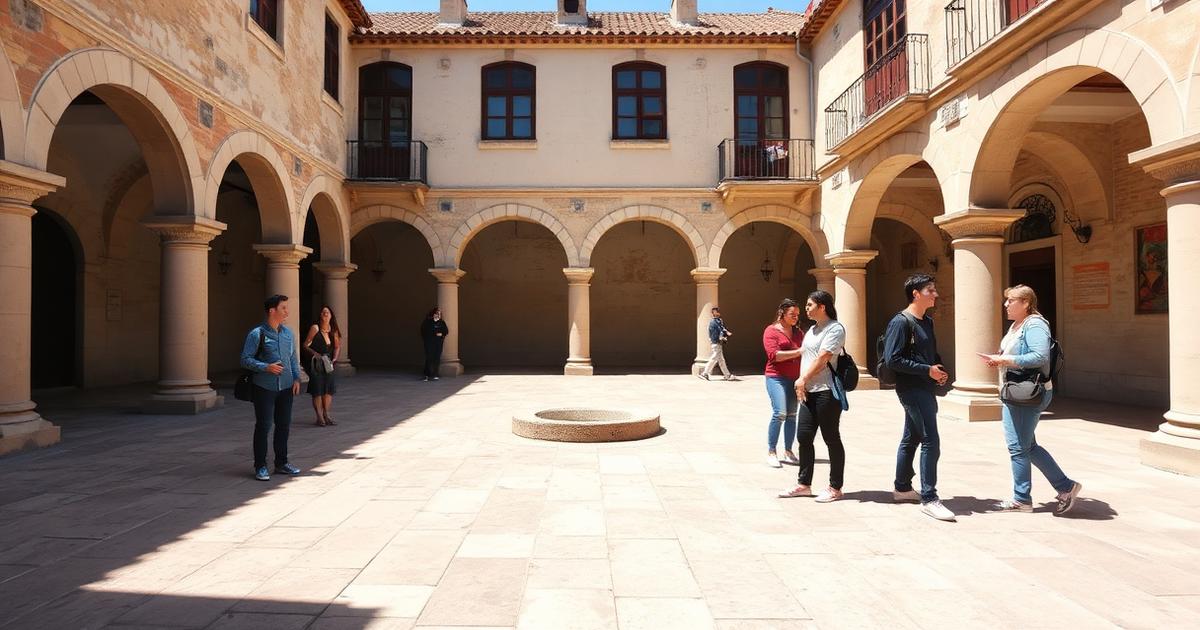
Portugal has become a genuinely popular study destination for international students — lower living costs than most of Western Europe, a growing number of English-language programs, and a straightforward student visa path. Here's what to expect if you're considering university in Portugal from abroad.
Public vs. private universities
Public universities are generally the more prestigious and research-oriented option, with long-established names in Lisbon, Porto, and Coimbra among the best known internationally. Tuition for non-EU international students is notably higher than for EU/Portuguese students, but still typically well below equivalent programs in the US or UK.
Private universities offer more flexible admissions and often a wider range of English-taught programs, particularly at the undergraduate level, but with generally less research prestige than the top public institutions. Tuition is usually higher than at public universities but can still be competitive compared internationally.
Neither category is universally "better" — it depends on your field of study, whether you're pursuing an academic or more applied/professional path, and which specific program and faculty reputation matters most to you.
English-language programs are growing
Historically, most Portuguese university programs, especially at undergraduate level, were taught in Portuguese. That's changing quickly:
- Master's and PhD programs increasingly offer full English-language tracks, particularly in business, engineering, computer science, and international relations.
- Undergraduate English-taught programs are less common but growing, especially at private universities and in international business schools.
- Even in Portuguese-taught programs, many universities now offer English support services and increasingly international, English-speaking student bodies.
Always confirm the actual language of instruction for your specific program directly with the university — "international" branding doesn't always mean English-taught, especially at the bachelor's level.
Tuition: EU vs. non-EU (qualitative)
Tuition structures differ significantly based on citizenship:
| Student category | General tuition pattern |
|---|---|
| EU/EEA citizens | Aligned with Portuguese national rates — relatively low compared to most of Western Europe |
| Non-EU international students | Meaningfully higher than EU rates, set independently by each university, and varies significantly by program and institution |
Exact tuition figures change by university, program, and academic year, so treat any number you see online as a starting reference rather than a fixed quote — always check the current published rate directly on the university's own admissions page before budgeting.
Cost of student living
Beyond tuition, factor in:
- Housing — student residences, shared apartments, or private rentals; costs vary significantly by city, with Lisbon and Porto generally pricier than smaller university towns like Coimbra or Braga
- Food and daily expenses — generally lower than in most Western European capitals
- Health insurance — required for visa purposes if not otherwise covered
- Transport — often discounted for students via youth/student transit passes
Smaller university cities tend to offer a meaningfully lower overall cost of living than Lisbon or Porto, which is worth weighing against the pull of a bigger city's job market and social scene.
The D4 student visa
Non-EU/EEA students need a D4 visa to study in Portugal for more than 90 days. In broad strokes:
- Secure admission to a Portuguese university or program first — the visa application requires proof of enrollment.
- Apply at a Portuguese consulate in your home country (or country of legal residence), providing proof of acceptance, financial means, accommodation, and health insurance.
- Enter Portugal on the visa, then complete residence permit registration through AIMA once in the country.
- Renew as needed for the duration of your studies.
Requirements and required documents can shift, so confirm the current list with the Portuguese consulate handling your application well before your intended start date — processing times can be longer than expected during peak application season.
FAQ
Can I study a full degree in English in Portugal? Increasingly, yes, particularly at master's and PhD level, and at some private universities for undergraduate programs. Always verify the language of instruction for your specific program.
Is it cheaper to study in Portugal than in the US or UK? For most programs and student categories, yes, tuition and living costs are generally lower, though non-EU tuition at top public universities can still be a meaningful expense.
Do I need to speak Portuguese to study in Portugal? Not necessarily, if you're enrolled in an English-taught program, though learning at least basic Portuguese (A2 level courses here) makes daily life significantly easier.
What's the difference between public and private university tuition for internationals? Public university tuition for non-EU students is set independently by each institution and can be substantial, though generally still below top private university rates; private universities vary widely by program and reputation.
Do I need a D4 visa if I'm an EU citizen? No, EU/EEA citizens don't need a student visa to study in Portugal, though registration formalities still apply once you arrive.
Can international students work part-time while studying? Generally yes, within limits set by the visa/residence permit terms — check current rules with your university's international office or an immigration advisor before committing to work hours.
Explore more on living and settling in Portugal in our guides section →
Last updated: July 2026.
Looking for a real place to visit or contact?
Open the directory